
People often ask me this question. And the answer matters more than you might think. Over 24 years in the water filtration industry, I've seen thousands of families choose the wrong system simply because they didn't understand the difference.
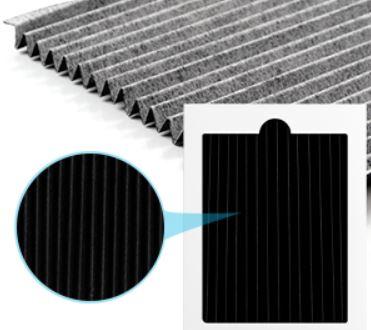
What Exactly Is A Carbon Filter?
A carbon filter, like the one in your fridge, does one job well: it improves the taste and smell of your water. It traps chlorine and some odors, which is why the water tastes fresher when you pour it.
But here's the critical part. Once that filter reaches capacity, it becomes a liability rather than a help. The water passes straight through without any filtration at all. You've got no protection and no way to know it's happening.
Most people don't realize their carbon filter isn't filtering anything anymore until months after it should have been replaced.
What Does Science Tell Us About Carbon Filters?
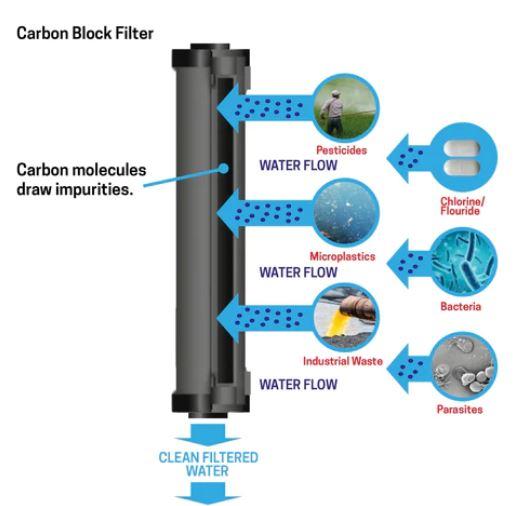
A carbon filter addresses one contaminant category: chlorine and volatile compounds. It does nothing for inorganic minerals, heavy metals, dissolved solids, bacteria, or chemical residues like pesticides.
This limitation matters because Irish and UK tap water contains far more than just chlorine. Depending on where you live, your mains water may carry lead, nitrates, and microplastics. A carbon filter leaves all of that behind.
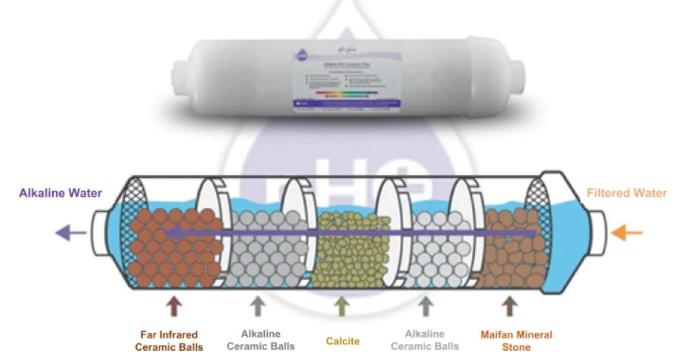

Why Reverse Osmosis Changes Everything
A Reverse Osmosis system works on a completely different principle. Instead of filtering particles through a material, RO uses a semi-permeable membrane that forces water molecules through while rejecting almost everything else.
Think of it this way. A carbon filter is a sieve. An RO system is a biological barrier that recognizes the difference between pure water and contaminants, and only lets the water through.
The result is water of exceptional purity, consistently achieved through multiple filtration stages. You're not just improving taste. You're removing dissolved solids, heavy metals, bacteria, and chemical residues that carbon filters can't touch.
The Real Cost Of Choosing Wrong
If you're concerned only about how your water tastes, a carbon filter might feel sufficient. But if you're responsible for your family's drinking water, especially if you have young children, taste is only one part of the story.
Hard water, chlorine, and hidden contaminants cause real problems. They damage appliances, affect skin and hair, and potentially impact long-term health. A carbon filter doesn't solve any of those issues.
An RO system does.
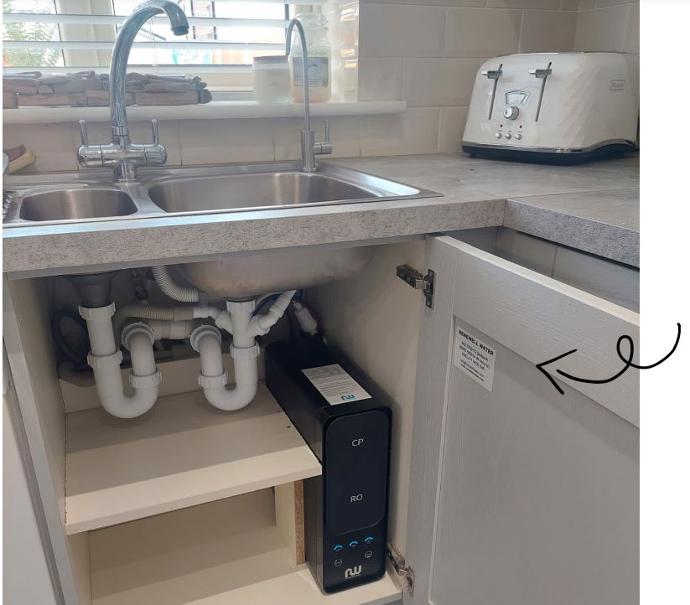
Choosing the Right System
Water quality goals matter more than budget alone. Ask yourself what you actually need. Do you want to improve taste, or do you want to protect your family's health? Do you want a temporary solution, or a long-term investment?
For most families in Ireland and the UK, a Reverse Osmosis system makes sense. It's thorough. It's reliable. It works.
The ArkkZ Water Filtration System brings hospital-grade reverse osmosis into your home. You get pure drinking water, reliably, every single time you turn on the tap.
Remember
Not all filters are equal. A standard carbon filter and a Reverse Osmosis system serve different purposes. One masks a problem. The other solves it.
If you're looking for real protection for your family's drinking water, RO is the only technology that truly delivers.
For over 24 years, Renewell Water has been Ireland's Number 1 rated water filtration company, with over 17,000 systems installed across Irish and Northern Irish homes. When families want the best in water purity, they trust Renewell. Check our reviews at https://renewellwater.com/reviews.
Renewell Water offers a free consultation for you. Book it by clicking here.