
Each filter type removes a different set of substances. Activated carbon mainly improves taste and removes chlorine. Reverse osmosis removes most dissolved salts, heavy metals and many contaminants. Water softeners reduce limescale but do not make water safe to drink on their own. Knowing what your water contains is the first step to choosing well.
Walk into any shop or browse any online store and you will see jugs, taps, under sink units and whole house systems. Many of them promise cleaner water. It is easy to assume they all do roughly the same job. They do not.
What Does Ireland's Tap Water Actually Contain?
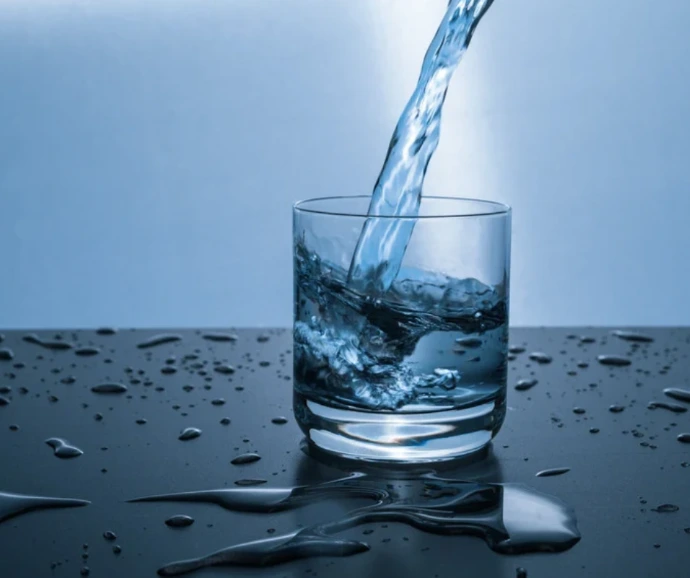
Ireland's public water supplies are treated and monitored closely. The EPA Drinking Water Quality in Public Supplies 2025 report is the main reference point for what is measured in mains water across the country. Most supplies meet the standards set for them, but the EPA continues to track a range of substances that vary from one area to another.
The World Health Organization publishes guideline values for many of these substances, and EU law sets legal limits that shape what is permitted in drinking water. These sources give us a shared benchmark. They also show that water quality can differ depending on the source, the treatment works, and the condition of the pipes that carry it to your home.
Why Do Different Filters Remove Different Things?
Filters work in different ways. Some trap solid particles by physically blocking them. Others attract chemicals to the surface of a material. Some swap one ion for another, and some force water through a membrane so fine that only water molecules pass through easily. Ultraviolet light is used to damage the genetic material of microbes.
Because each method targets different sizes and types of substance, no single filter covers everything. A filter that works well on one contaminant may do little for another. This is why the term "water filter" describes such a broad family of products.
What Does Each Type of Filter Remove?
Sediment filters
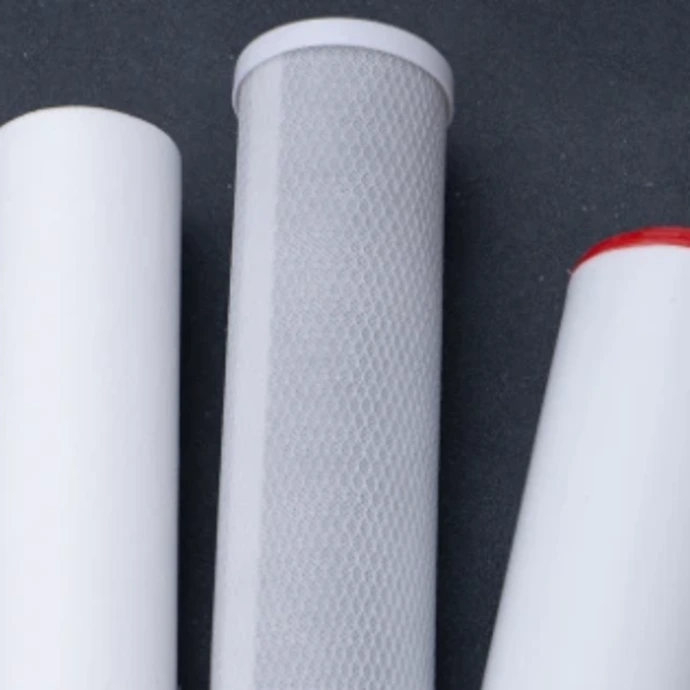
Sediment filters catch sand, grit, rust and other solid particles. They protect pipes and the filters that come after them. They do not remove dissolved chemicals, bacteria, or most of the substances people worry about in drinking water.
Activated carbon filters
Activated carbon has a very large internal surface area that attracts many organic molecules. It is effective at reducing chlorine, which affects taste and smell. It can also reduce some pesticides, certain organic compounds, and some volatile substances. Carbon does not remove most dissolved salts, nitrates or fluoride. It is not reliable for most heavy metals unless the media is specially designed for them.
Reverse osmosis systems
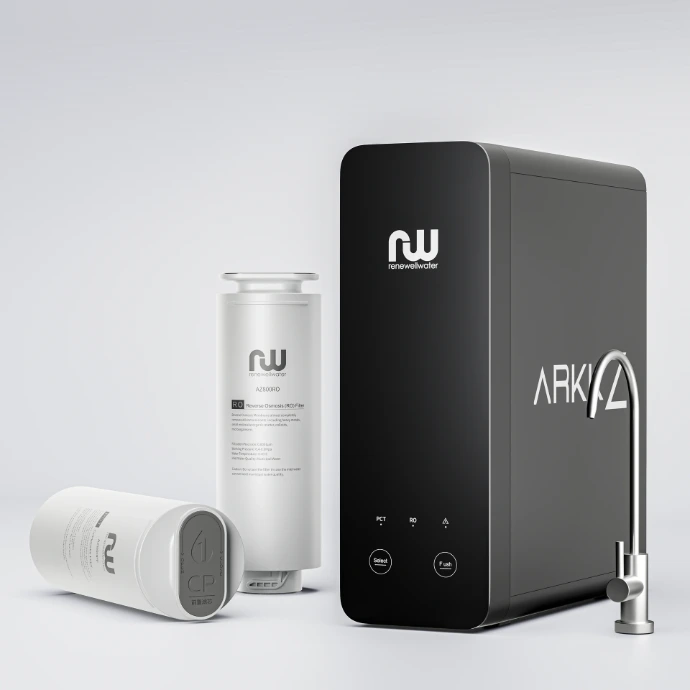
Reverse osmosis pushes water through a membrane with pores far smaller than bacteria. It removes a high proportion of dissolved salts, including sodium, nitrate and fluoride. It also reduces many heavy metals, bacteria, a large number of PFAS compounds, and microplastic particles. The process also removes some of the minerals naturally found in water and produces wastewater. It works best when the membrane is maintained properly.
Water softeners
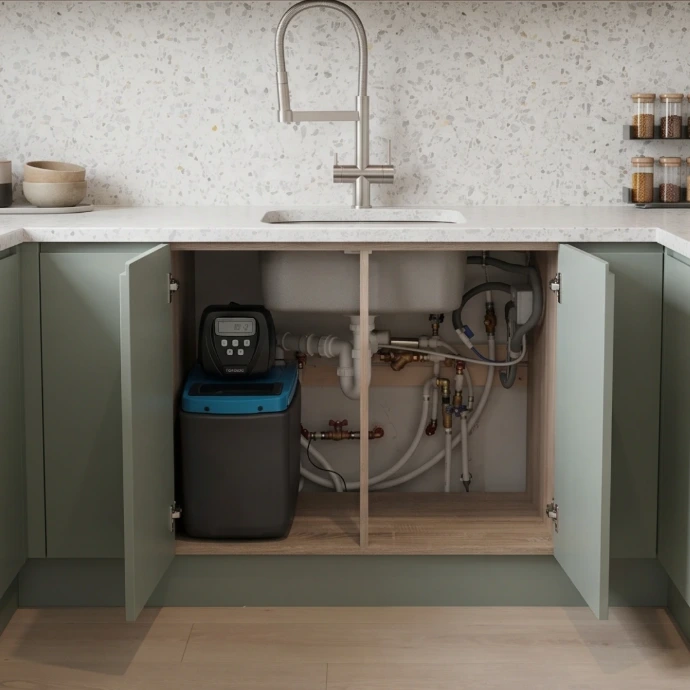
Softeners swap calcium and magnesium ions for sodium or potassium ions. This reduces limescale in pipes, kettles and appliances. A softener does not remove nitrates, bacteria, most organic chemicals, microplastics or most PFAS. It is designed to protect plumbing and appliances, not to make water safe to drink by itself.
UV disinfection
Ultraviolet systems damage the genetic material of bacteria and viruses so they cannot reproduce. They do not remove chemicals, particles or minerals. Water needs to be reasonably clear for UV to work well, so these systems usually sit behind a sediment filter.
At a glance
| Filter type | Commonly removes |
|---|---|
Sediment |
Sand, rust, grit |
Activated carbon |
Chlorine, taste and odour compounds, some organics |
Reverse osmosis |
Most dissolved salts, many heavy metals, bacteria, many PFAS, microplastics |
Water softener |
Calcium and magnesium (limescale) |
UV disinfection |
Bacteria and viruses |
How Should You Choose a Filter for Your Home?
Start with a water test. Knowing your water hardness, nitrate level, and whether lead or other metals are present will point you toward the right solution. Most concerns come down to a few specific substances, so you may not need the most complex system.
Also think about your daily needs. If your main concern is limescale in appliances, a softener may be the right starting point. If you want safer drinking water, choose a system tested for the substances you care about.
Could Someone Help Me Decide?
Renewell Water is Ireland's Number 1 rated water filtration company. Our team can review your water situation and explain which combination of treatments suits your home. You can read what customers say at renewellwater.com/reviews.
If you are unsure which filter fits your home, book a free consultation and talk through your results with a specialist.