
Hydrogen water is ordinary water with hydrogen gas dissolved in it. The gas floats free between the water molecules. It is not the hydrogen already locked inside them. Water can only hold a little of it, about 1.6 mg per litre at room temperature. Tap water holds almost none. The gas also escapes fast once poured, so how the water is made matters as much as what is in it.
What is hydrogen water?
Hydrogen water is water that carries extra hydrogen gas, dissolved in it as a separate substance.
Here is the difference that matters. In a water molecule, two hydrogen atoms are bonded to one oxygen atom. Those atoms are locked in place. They are part of the water itself and they do nothing on their own.
Molecular hydrogen is different. It is two hydrogen atoms bonded to each other, written as H2. It is a gas at room temperature. Dissolve it in water and it drifts about in the gaps between the water molecules. It is not bonded to them. It has not changed them.
The closest everyday comparison is sparkling water. Carbon dioxide is dissolved in it, and that gives you the fizz. The water itself has not changed. The gas will leave if you let it. Hydrogen behaves much the same way. There is just far less of it, and you cannot see or taste it.
Why the water still tastes like water
Because dissolved hydrogen has no taste, no smell and no colour. The amount involved is also very small.
That is worth saying plainly. Say a friend tells you hydrogen water tastes different. What they are tasting comes from the filtering, the minerals or the temperature. It does not come from the hydrogen.
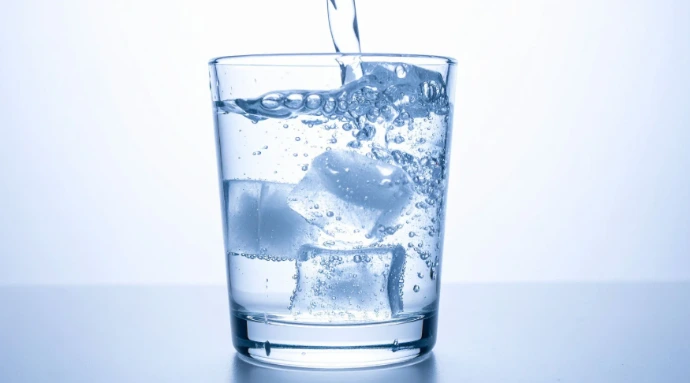
How much hydrogen can water actually hold?
Very little. This is the most useful number in the whole subject.
How much gas dissolves in a liquid depends on the pressure of that gas above it. That rule is called Henry's law. Run the sum for hydrogen at room temperature and normal pressure and you get about 1.6 mg per litre. You will also see that written as 1.6 ppm, or as 1,600 ppb. No gas dissolves in water less readily than hydrogen.
For comparison, ordinary tap, bottled or filtered water holds about 0.0000009 mg per litre. That is close to none. Whatever hydrogen water is, you do not get it by accident.
Two things move that ceiling. Warm water holds less gas, so hydrogen water is made and served cold. Higher pressure holds more. That is how some systems push past 1.6 mg per litre for a moment. The water then settles back down once it meets the open air.
How is hydrogen added to water?
Three methods cover almost everything on the market.
Electrolysis
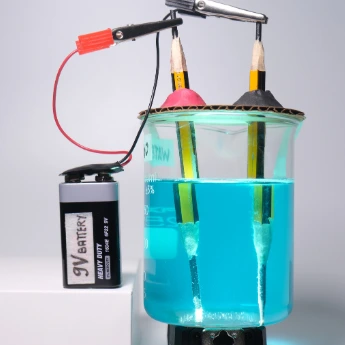
An electric current runs through the water and splits some of it into hydrogen and oxygen. The hydrogen dissolves into the water on the way through. The oxygen is vented away. Most under sink units work this way, as do most Japanese devices.
Dissolving under pressure
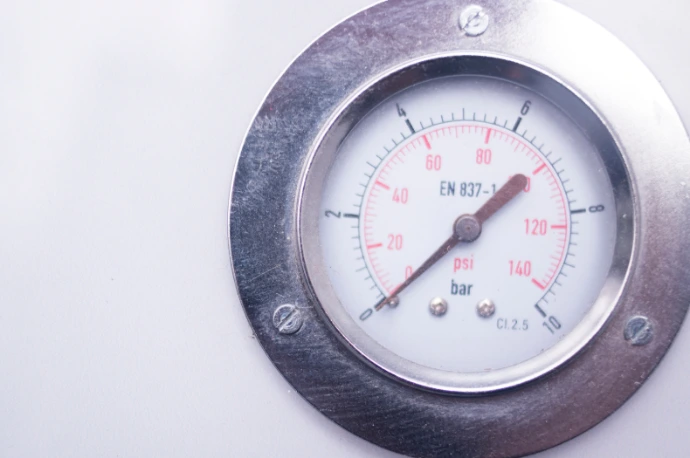
Hydrogen gas is forced into water inside a sealed chamber. Higher pressure pushes more gas in. This is how bottled and canned products reach the numbers they print on the label
Magnesium tablets
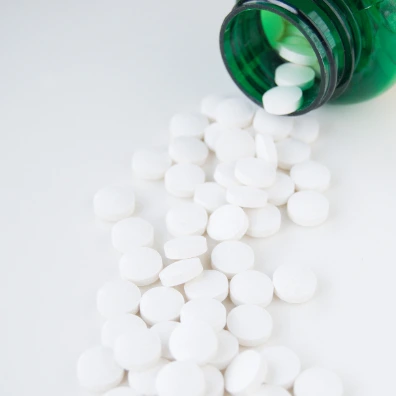
A tablet dropped into a bottle reacts with the water and releases hydrogen. It is cheap and portable. But the reaction also raises the pH and leaves magnesium behind. What you drink is not just water plus hydrogen.
Why does hydrogen water go flat?
Because hydrogen is the smallest molecule in existence, and small molecules are very hard to keep in one place.
Pour hydrogen water into an open glass and the gas starts escaping at once. Leave the glass on the counter a while and much of it is gone. The water is still perfectly good water. It is just no longer hydrogen water.
Storage is the harder problem. Hydrogen passes straight through most plastics over time. That is why serious bottled products use aluminium cans or foil pouches instead of clear plastic. A plastic bottle that has sat in a warehouse for three months is a question mark, whatever the label says.
So systems that make hydrogen at the tap make more sense than anything premixed. Water poured and drunk within a minute has not had time to lose much.
Is hydrogen water the same as alkaline water?
No, and this is probably the most common mix up I see.
Alkaline water just means water with a pH above 7. You can raise pH by adding minerals. On its own, that does nothing to the hydrogen content.
The overlap comes from electrolysis. Run a current through water and you get hydrogen gas. You also get a shift in pH at the same time. So many alkaline ionisers do produce hydrogen rich water. But the alkalinity and the hydrogen are two separate results of one process.
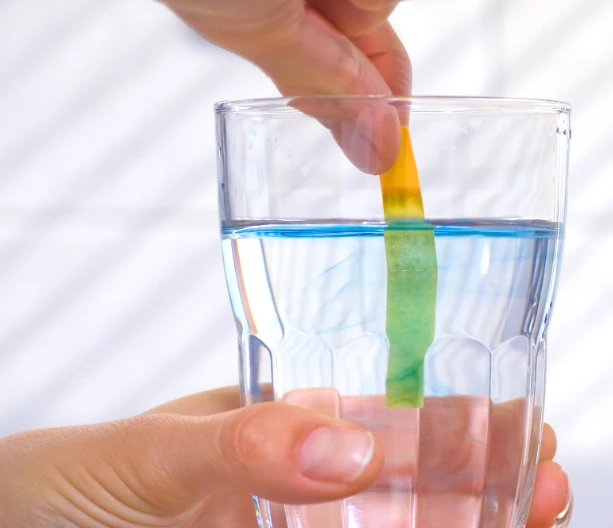
What does the hydrogen do once it is in the water?
Chemically, almost nothing to the water itself. It does not shift the pH in any real way. It adds no minerals. It removes no contaminants. Hydrogen water is not a filter. If your supply carries chlorine or lead, adding hydrogen does nothing about either.
The interest is in what the dissolved gas may do after you drink it. The starting point is a 2007 paper in Nature Medicine by Ikuroh Ohsawa and colleagues. It described hydrogen acting as a selective antioxidant in cells. Hydrogen mopped up the hydroxyl radical, one of the most damaging reactive molecules. It left alone the ones the body uses as signals.
Why are people drinking hydrogen water?
Because that 2007 paper opened a research field, and the field grew fast. Thousands of studies have looked at molecular hydrogen since, in cells, in animals and in people.
Japan got there first by a long way. Hydrogen water has been sold in shops, pharmacies and gyms there for decades. My colleague has written about that history in what Japan has learned about hydrogen water in 60 years. Elsewhere it has only become visible in the last few years.
Ask people who drink it and the answers cluster into three groups:
The first is exercise. Hard training creates oxidative stress, and people who train want to recover faster between sessions. This is the group I hear from most, and it is where the human trial data is strongest.

The second is ageing. Oxidative stress is one of the accepted reasons cells age, so the question follows logically. The research here is real but early, with small groups and short follow up periods.
The third is simple curiosity. Someone saw a bottle, or a friend has a tap, and they want to know whether there is anything in it.
I am not going to weigh that evidence here, because it deserves more room than a chemistry article can give it. Both the exercise research and the ageing research get their own article.
Where Hydro+ fits in
That last point is the reason the Hydro+ system from Renewell Water is built the way it is.
It is a reverse osmosis filter first, fitted under the kitchen sink. That part deals with what is actually in your mains supply. Hydrogen is the second stage, delivered through a dual lever tap at 1,400 to 1,600 ppb. That sits right at the ceiling described above. And because it is made at the tap and poured straight away, what reaches your glass is close to what the unit produces.
Renewell Water is Ireland's Number 1 rated water filtration company. If you want to know what real customers think, the reviews speak for themselves. You can read them at renewellwater.com/reviews.
This article covers the chemistry of hydrogen water and is provided for general education. It is not medical advice, and hydrogen water is not intended to diagnose, treat, cure or prevent any disease.